
our Vision

Where It All Started
As an airline captain with SWISS International Air Lines, safety has always been at the heart of my professional life. Aviation is built on a strong safety culture, supported by well-established regulations, proven procedures and the continuous effort to identify and reduce risks.
Becoming a father of two made me look at safety from another perspective as well: road safety.
Pedestrian crossings in particular caught my attention. They are intended to provide a safe place to cross the road, yet pedestrians can still be difficult for drivers to see—especially at night, in poor weather or under challenging road conditions.
Could we make pedestrian crossings more visible and give drivers an earlier, clearer indication that they are approaching a critical area?
Inspired by Aviation
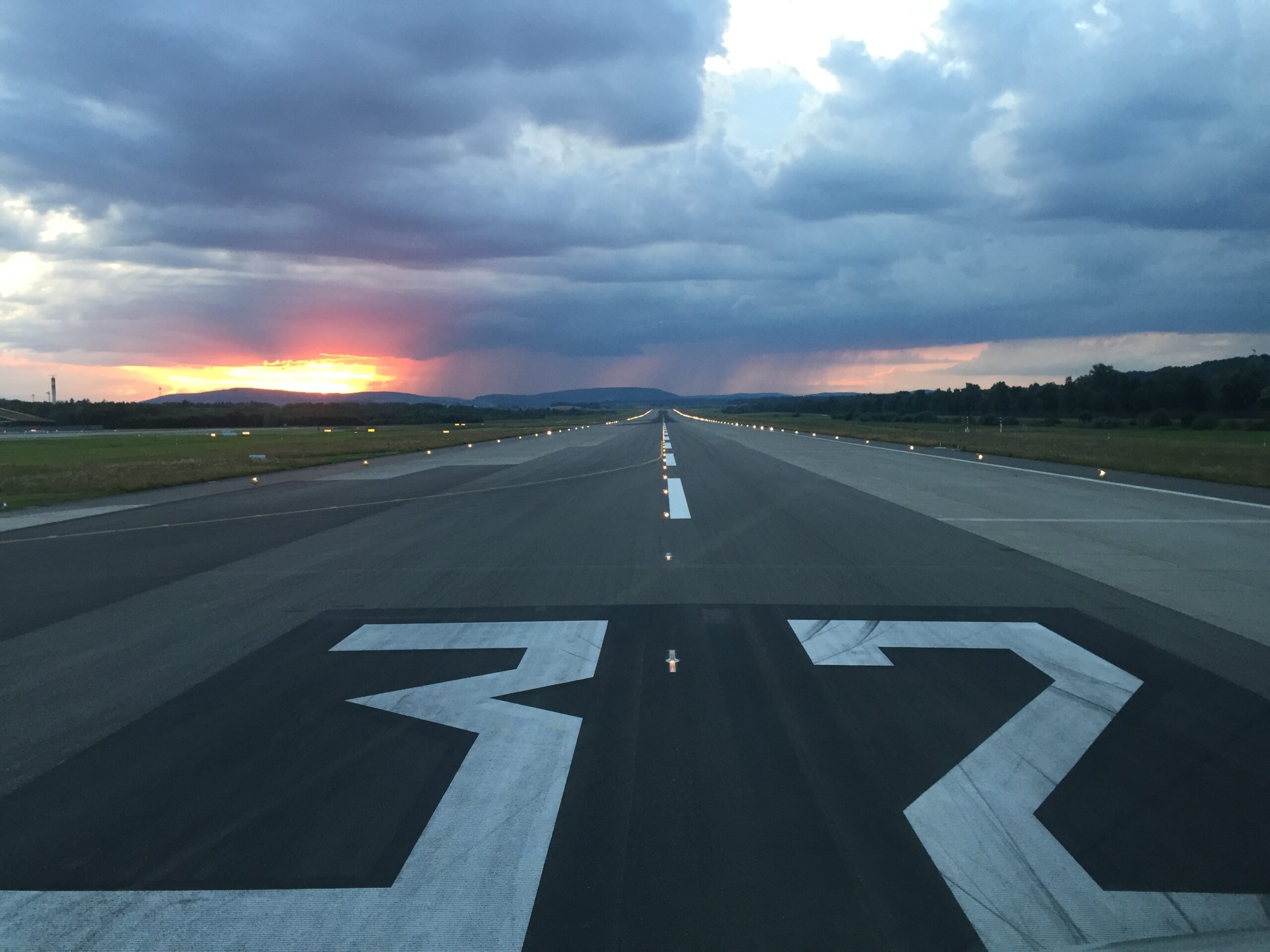
In aviation, runway edge lights provide pilots with a clear visual reference during take-off and landing, especially at night or in low-visibility conditions.
Rather than illuminating the entire runway, these lights clearly define its boundaries and help pilots understand their position in relation to it.
This simple but highly effective principle inspired me:
Why not use light in a similar way to make critical areas on our roads more visible?
Capturing Attention
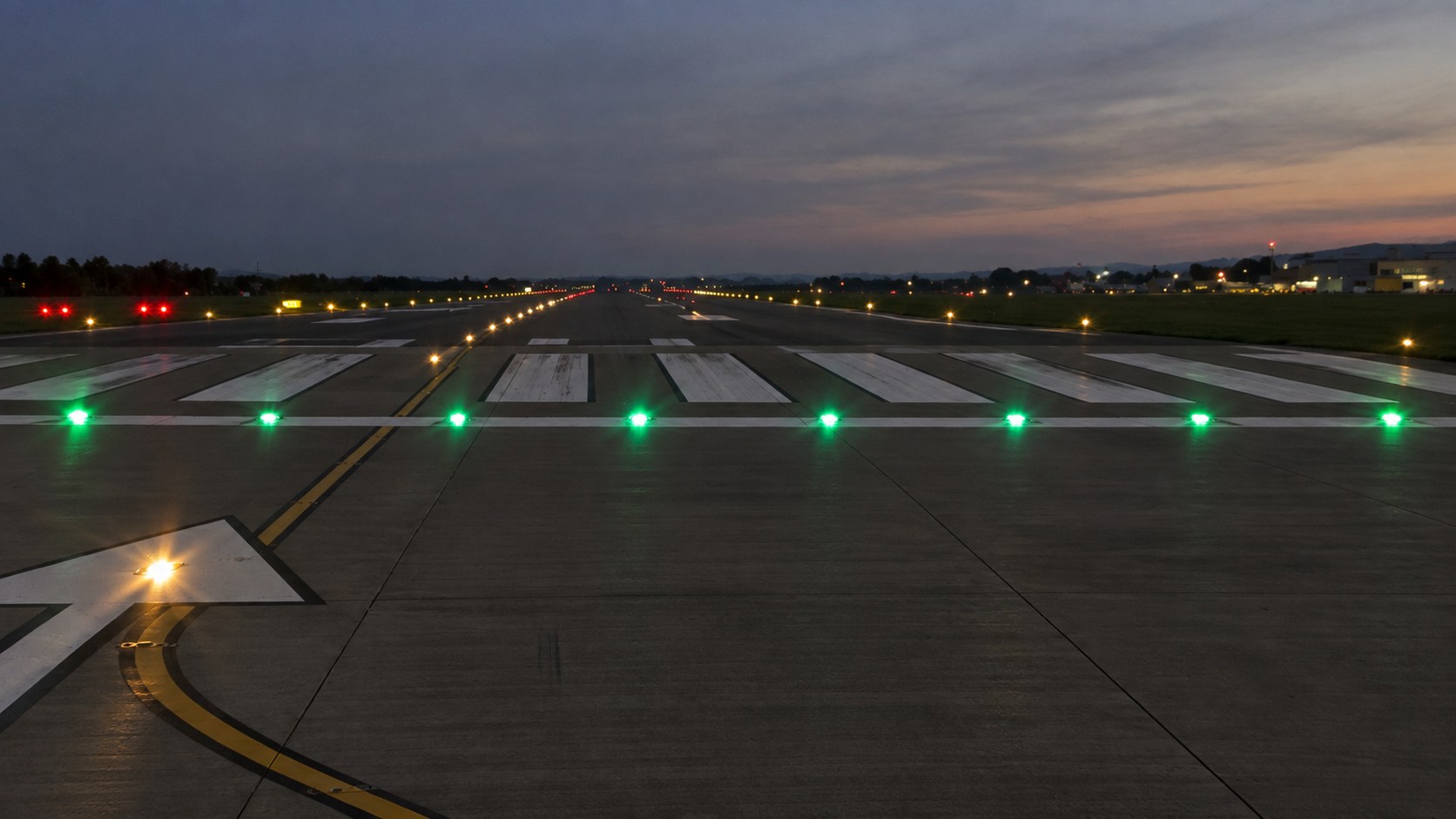
In aviation, light does more than provide orientation. Active lighting is also used deliberately to draw a pilot’s attention to critical areas.
Highly visible lights and illuminated markings provide an immediate visual signal exactly where it matters. Because they actively emit light, they naturally attract the eye—even when visibility is reduced by darkness, fog, rain or snow.
The principle was clear: critical areas should not only be marked. They should actively attract attention.
Active Light. Earlier Awareness.
On our roads, many critical situations arise not because a danger is ignored, but because it is recognized too late.
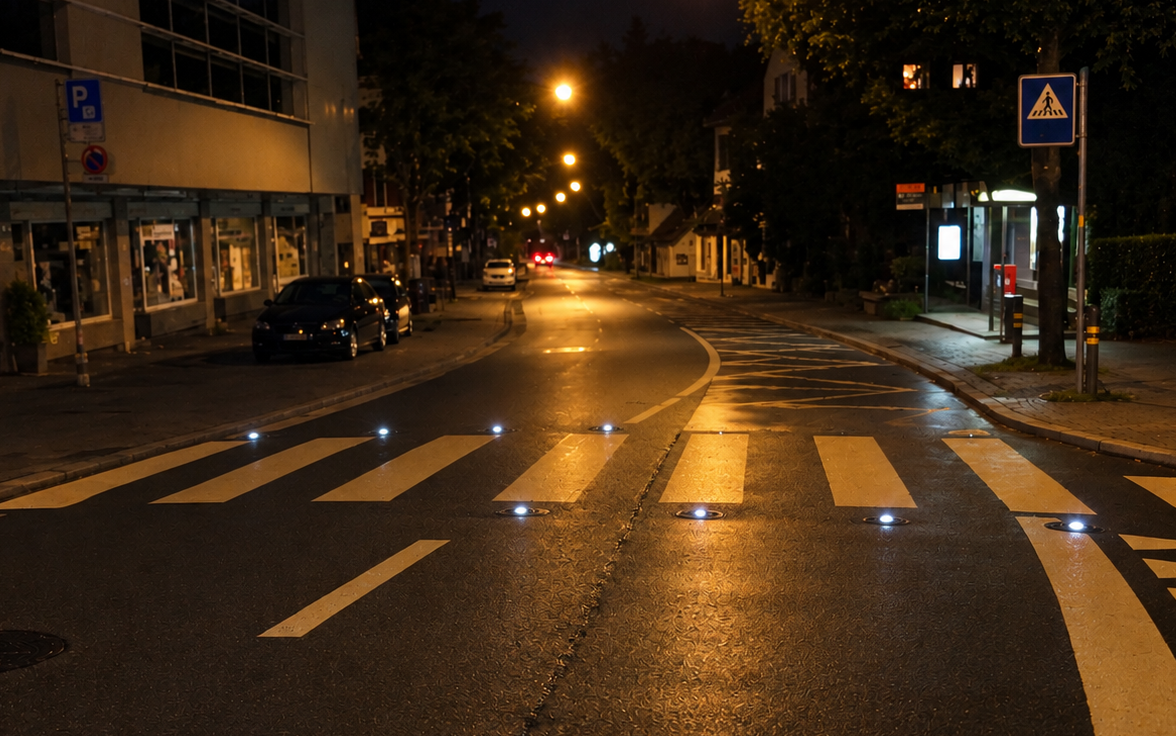
Pedestrian crossings are a good example. Signs and road markings provide important information, but they remain passive. An active light source adds another dimension: it attracts attention and makes a critical area more noticeable—especially at night and in poor visibility.
The earlier a potential hazard is perceived, the more time a driver has to recognize the situation and react accordingly.
See it earlier.
Recognize it sooner.
React in time.
Solar Road Stud
While exploring ways to improve conventional road reflectors, one principle became increasingly clear: an active LED light is far more noticeable than a passive reflector.
Embedded lighting, similar to the systems used at airports, offered exactly the visual effect I was looking for. However, transferring this concept to public roads presented a major challenge: conventional active lighting requires electrical cables, extensive installation work and costly infrastructure.
The solution therefore had to combine the visibility of an active light with the simplicity of a conventional road marker.
What if each light could generate and store its own energy?
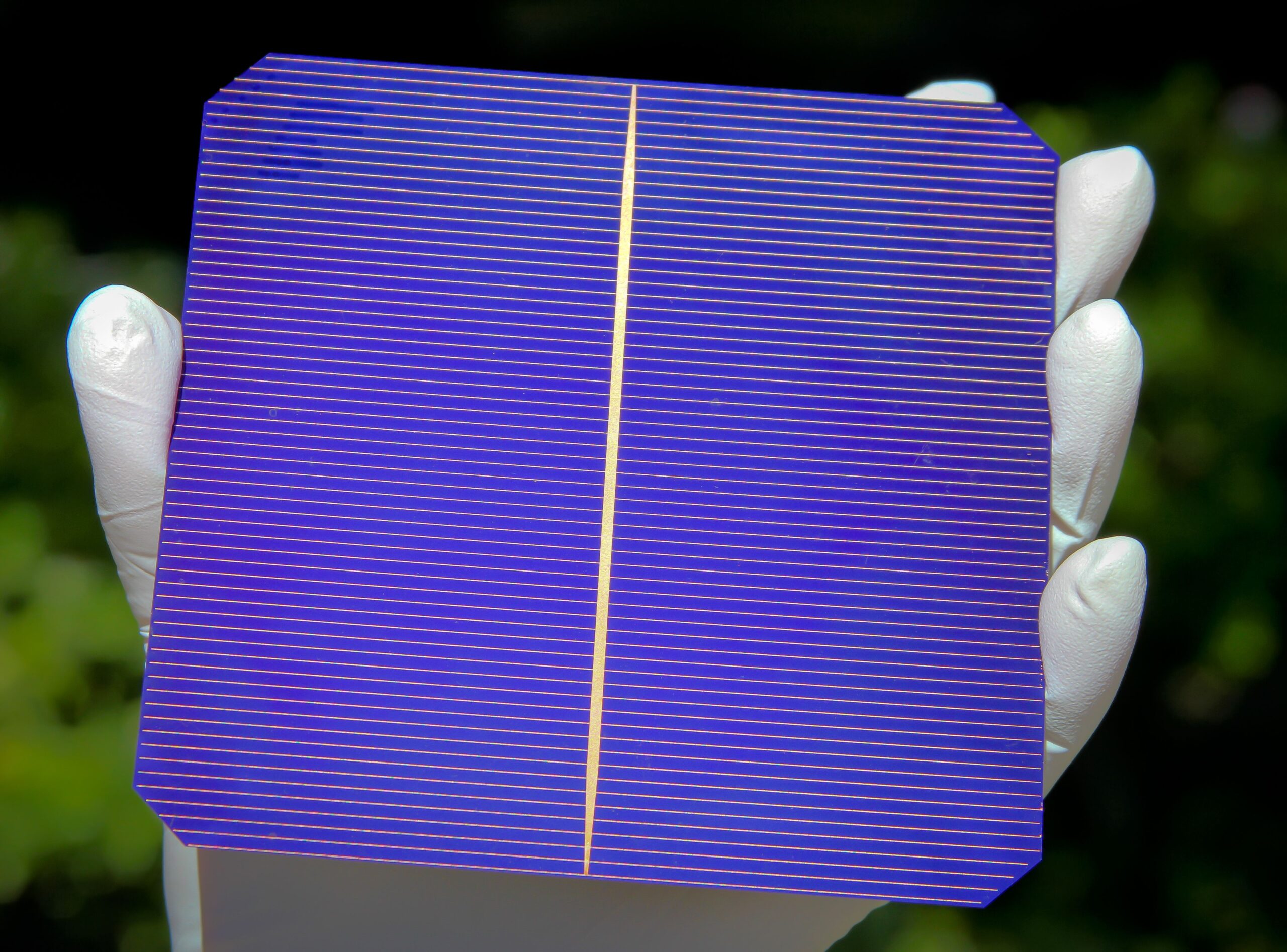
Energy from the Sun
The answer was solar energy.
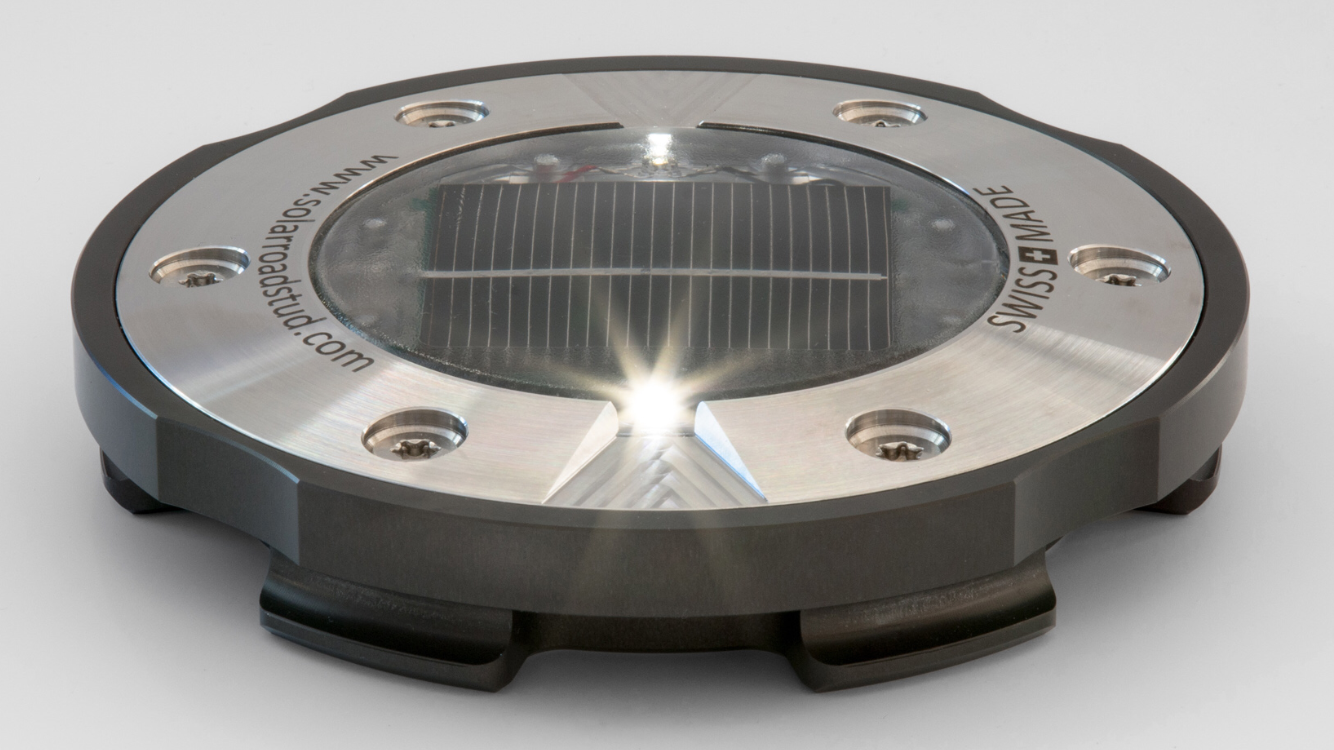
By combining efficient LEDs with an integrated solar panel and energy storage, each road stud could become a completely autonomous light source—without external power supplies or electrical cables.
During the day, solar energy is collected and stored. As darkness falls, the road stud automatically activates, providing a clear and highly visible light exactly where it is needed.
This made it possible to bring the principle of active lighting from the airport to the road—in a simple, sustainable and autonomous way.
Powered by the sun.
Independent by design.
Visible when it matters.
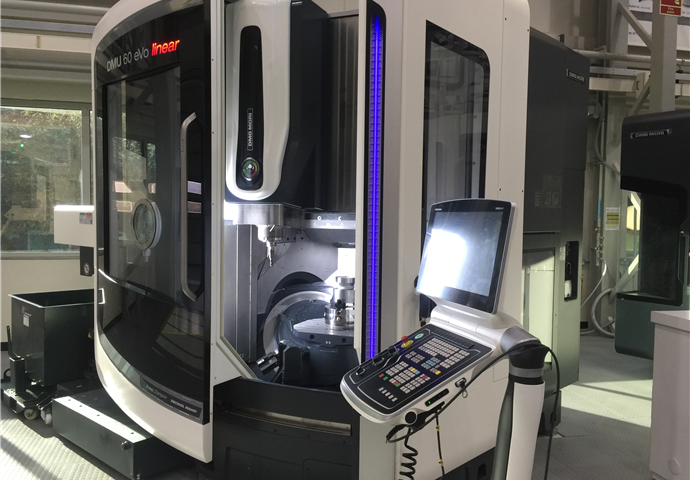
BUILT for the Road
Developing an autonomous solar-powered light was only part of the challenge. To perform reliably on the road, our products also have to withstand an exceptionally demanding environment.
Traffic loads, water, dirt, temperature changes and road salt place considerable stress on every component. In winter, snow-clearing equipment adds another major challenge.
For this reason, our metal housings are precisely CNC-machined in Switzerland from high-quality stainless steel. This combination of material, precision and robust construction provides the corrosion resistance and mechanical strength required for long-term use.
Precision is not about appearance.
It is about reliability.
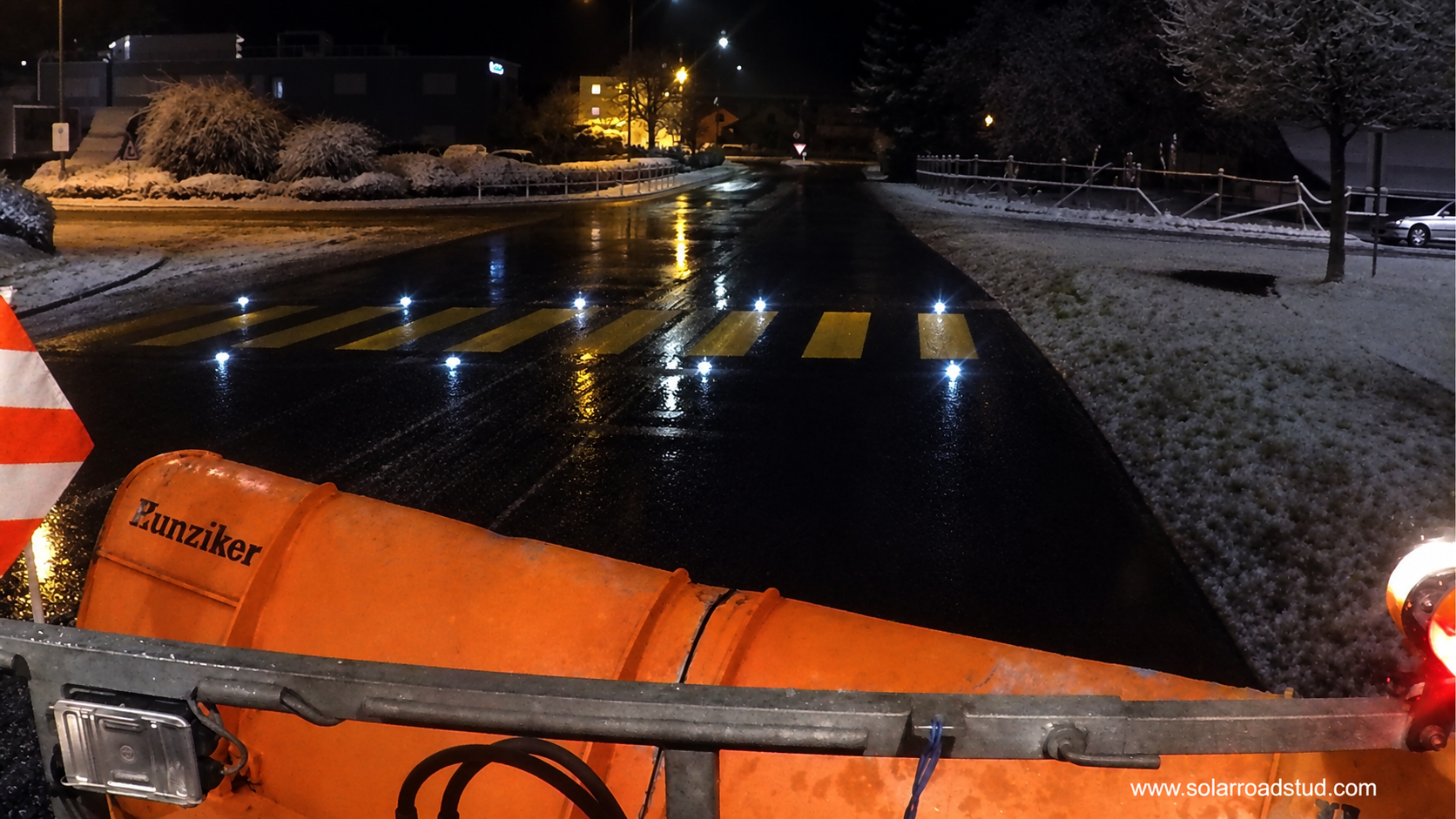
On the road, quality is not optional.
Solar road studs installed on or into asphalt are exposed to extreme mechanical loads every day. Heavy trucks, buses and road-maintenance vehicles pass directly over them, while winter conditions add further challenges from snowplows, ice, water and road debris.
This is why SolarVision places particular emphasis on material quality, precision manufacturing and mechanical strength.
The solid, precision-machined housing provides the structural stability required for demanding road installations. On the SV2, the robust stainless-steel ring adds another level of protection: its carefully engineered profile helps guide a snowplow blade over the road stud while protecting the lighting unit below.
Engineered to be driven over. Built to stay in the road.
Stay In Touch
SolarVision GmbH
Switzerland
info@solarvision.ch